
Special offer notification

15% discount on shopping over Rs 10,000

Gilgit Baltistan Dry Fruits Guide: What Makes GB Dry Fruits Special

GB Dry Fruits sources authentic Gilgit Baltistan dry fruits — apricots, almonds, walnuts, and chilgoza from mountain growers in Gilgit.

gilgit baltistan dry fruits⏱ 2 min read (299 words)Verified Origin: Gilgit-Baltistan

Gilgit Baltistan Dry Fruits Guide: What Makes GB Dry Fruits Special

GB Dry Fruits Editorial

Mountain Harvest Specialist at GB Dry Fruits

Published:
Updated:
Gilgit Baltistan Dry Fruits Guide: What Makes GB Dry Fruits Special — Gilgit dry fruits guide

Gilgit Baltistan dry fruits are sun-dried harvests from Pakistan’s high valleys — denser oils, cleaner flavor, and short supply chains. GB Dry Fruits works with local growers so you can buy authentic dry fruits in Gilgit and have them delivered across Pakistan.

If you searched for gb dry fruits, gilgit dry fruits, or simply dry fruits from the north, this guide explains what to buy, why altitude matters, and how mountain packs differ from imported mixes.

What are Gilgit Baltistan dry fruits?

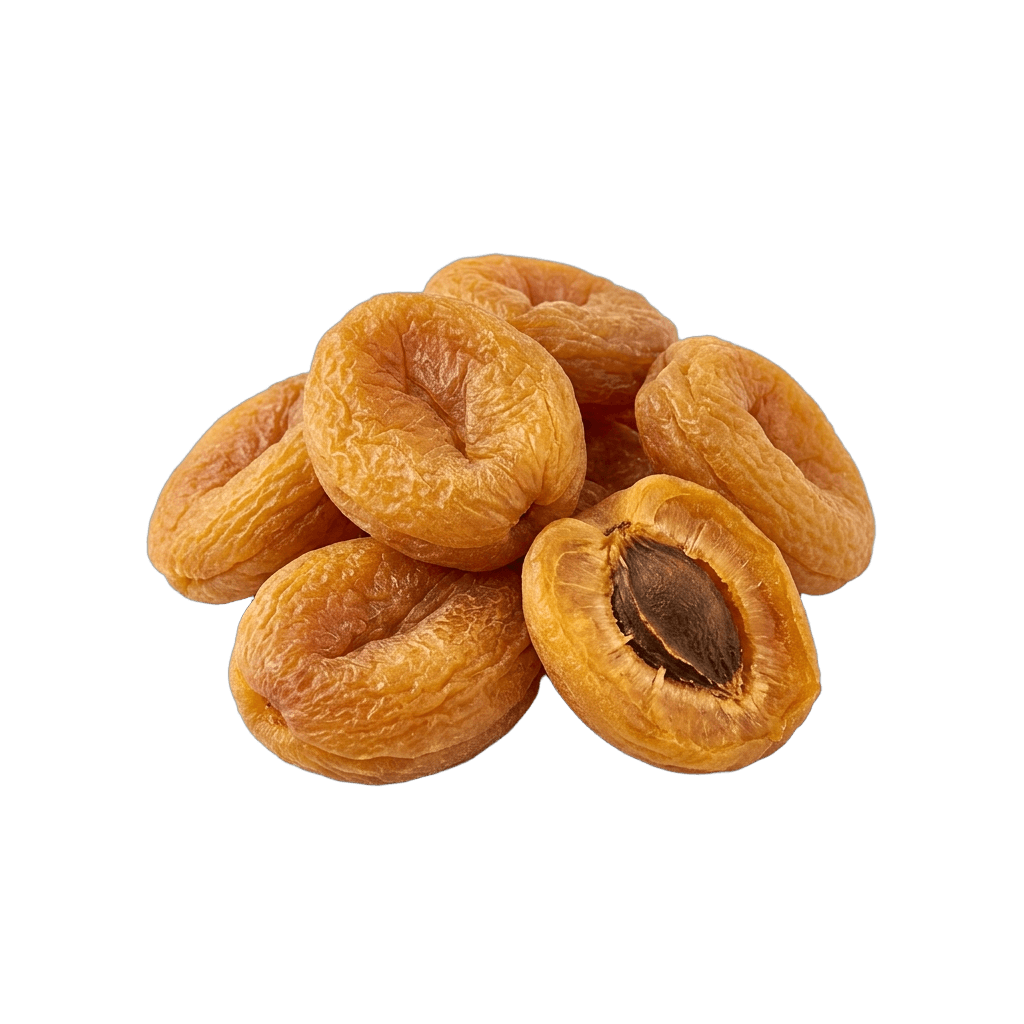
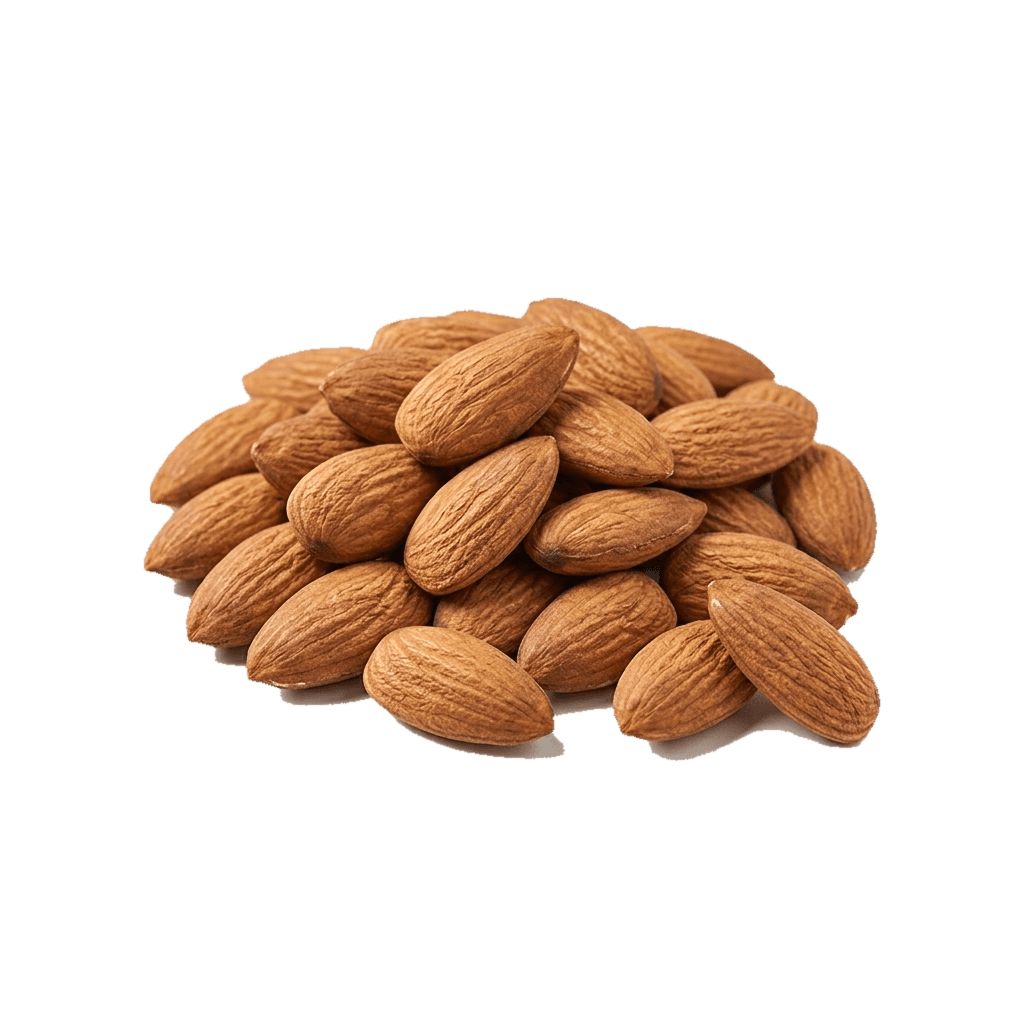
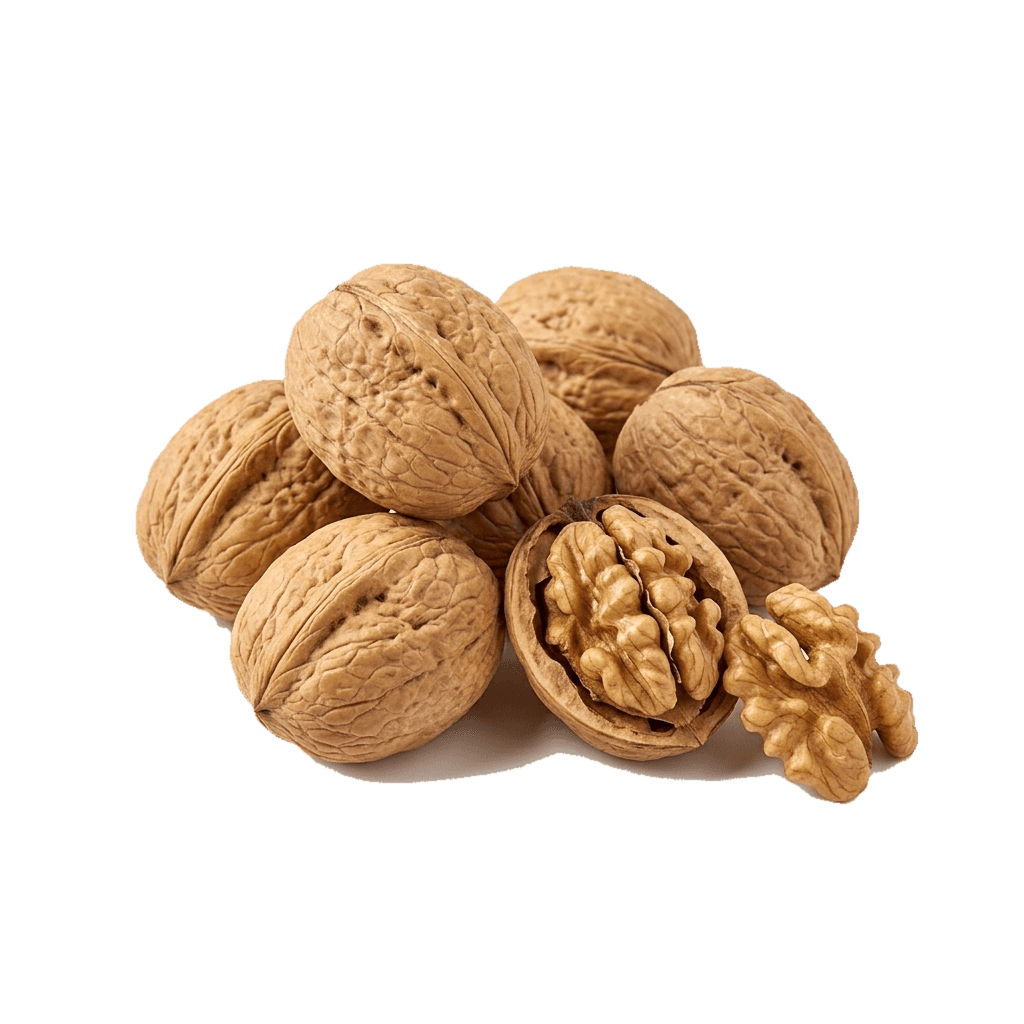
Gilgit Baltistan dry fruits are apricots, almonds, walnuts, mulberries, and chilgoza (pine nuts) grown and dried in cool, high-altitude air. Families still dry apricots on rooftops, store walnuts in cold rooms, and gather chilgoza from forest stands. That traditional process keeps nutrients and aroma intact without heavy processing.

GB Dry Fruits selects and packs these harvests for everyday pantries and gifting — traceable to the valleys that grew them, not anonymous bulk lots.

Why do dry fruits in Gilgit taste different?

Altitude, cold nights, and long sun hours concentrate natural sugars and oils. Gilgit dry fruits often taste richer than lowland or heavily coated imports because growers avoid synthetic glazes. When you choose GB Dry Fruits, you get mountain flavor density with clean labels.

  • Hunza and nearby valleys for dried apricots
  • Walnut and almond belts across Gilgit districts
  • High forests for chilgoza pine nuts
  • Hand sorting before packing

How to shop GB Dry Fruits online

Browse our products by category — almonds & nuts, dried apricots, walnuts, and mixed packs. For grower stories and pantry tips, visit the blog. Questions? Contact GB Dry Fruits in Gilgit City.

Bottom line: For authentic Gilgit Baltistan dry fruits, choose a source that names the region and the grower path. That is the promise behind GB Dry Fruits.
Share this mountain guide:
GB Dry Fruits Editorial

About the Author: GB Dry Fruits Editorial

Verified Expert

Mountain Harvest Specialist at GB Dry Fruits

Specializing in authentic agricultural traditions, grading, and organic sun-drying techniques across Gilgit-Baltistan.

Related Gilgit Dry Fruits Guides

The Ultimate Guide to Gilgit Dry Fruits: Why Mountain Harvests from Gilgit Baltistan Are the World's Best

The Ultimate Guide to Gilgit Dry Fruits: Why Mountain Harvests from Gilgit Baltistan Are the World's Best

Gilgit dry fruits are mountain-grown nuts and sun-dried fruits from 1,500–3,200m valleys in Gilgit Baltistan, irrigated by glacial meltwater and cured without chemical preservatives—delivering denser natural oils and stronger flavor than flatland crops.

Read guide →
Buying Dry Fruits in Gilgit: Local Bazaars, Price per KG & Traveler's Buying Guide

Buying Dry Fruits in Gilgit: Local Bazaars, Price per KG & Traveler's Buying Guide

Dry fruits in Gilgit are sold mainly at Jutial Bazaar, Naya Bazaar, and Airport Road; expect about PKR 900–1,800/kg for dried apricots, PKR 1,800–3,200/kg for walnut and almond kernels, and PKR 6,500–12,000/kg for roasted chilgoza, with peak harvest from late August to November.

Read guide →
Top 10 Gilgit Baltistan Dry Fruits You Must Try: Health Benefits & Mountain Sourcing

Top 10 Gilgit Baltistan Dry Fruits You Must Try: Health Benefits & Mountain Sourcing

The top Gilgit Baltistan dry fruits are Hunza sun-dried apricots, Skardu paper-shell walnuts, Diamer chilgoza, mountain almonds, mulberries, and related high-altitude nuts—chosen for oil density, sweetness, and traditional Hunza–Skardu growing regions.

Read guide →