
Special offer notification

15% discount on shopping over Rs 10,000

The Future of Gilgit Dry Fruits: Harvest Trends to Watch

From chilgoza forests to Hunza apricot rooftops, Gilgit dry fruit growers are shaping cleaner mountain supply chains with GB Dry Fruits.

gilgit dry fruits⏱ 2 min read (141 words)Verified Origin: Gilgit-Baltistan

The Future of Gilgit Dry Fruits: Harvest Trends to Watch

Bilal Hussain

Agricultural Agronomist & Gilgit Sourcing Director

Published:
Updated:
The Future of Gilgit Dry Fruits: Harvest Trends to Watch — Gilgit dry fruits guide

The future of gilgit dry fruits depends on growers who protect orchards, dry fruit carefully, and sell through transparent channels. GB Dry Fruits partners with those families so customers get authentic Gilgit Baltistan dry fruits — not anonymous mixes.

What harvest trends matter for dry fruits in Gilgit?

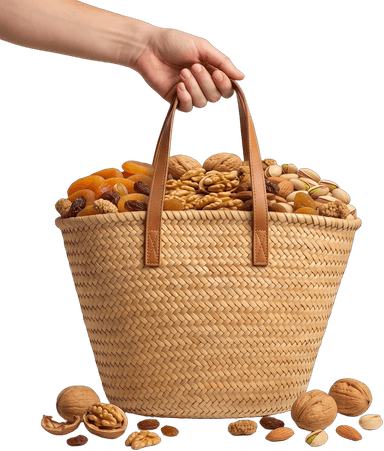
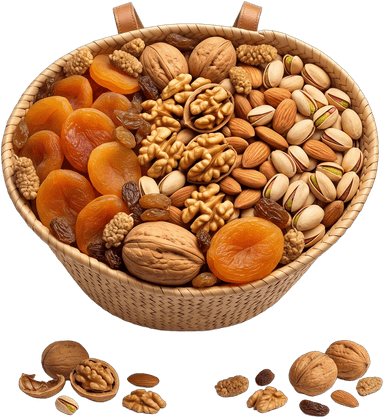
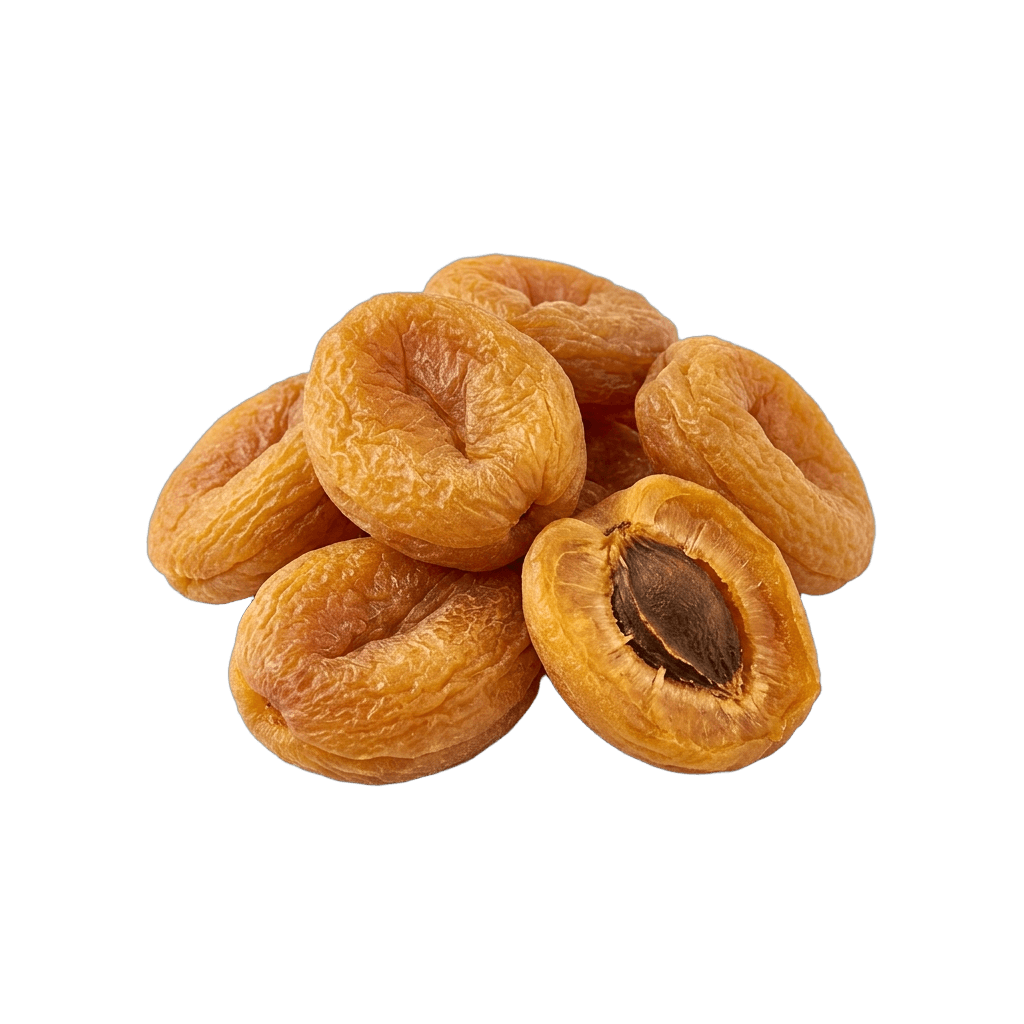
From chilgoza forests to Hunza apricot rooftops, local growers are investing in cleaner drying spaces, better sorting, and shorter paths to market. Demand for natural dry fruits is rising across Pakistan, which rewards quality over volume.

  • More rooftop and solar-assisted apricot drying
  • Careful chilgoza collection seasons
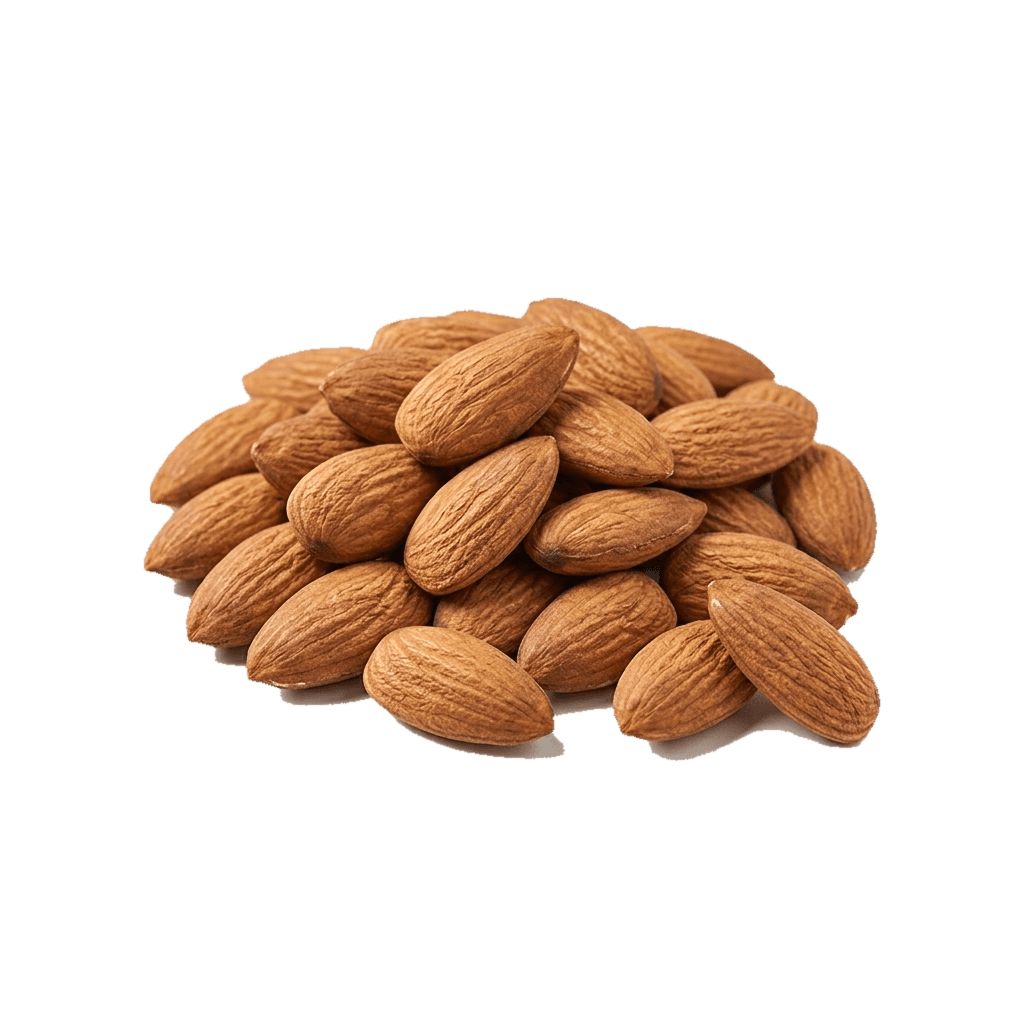
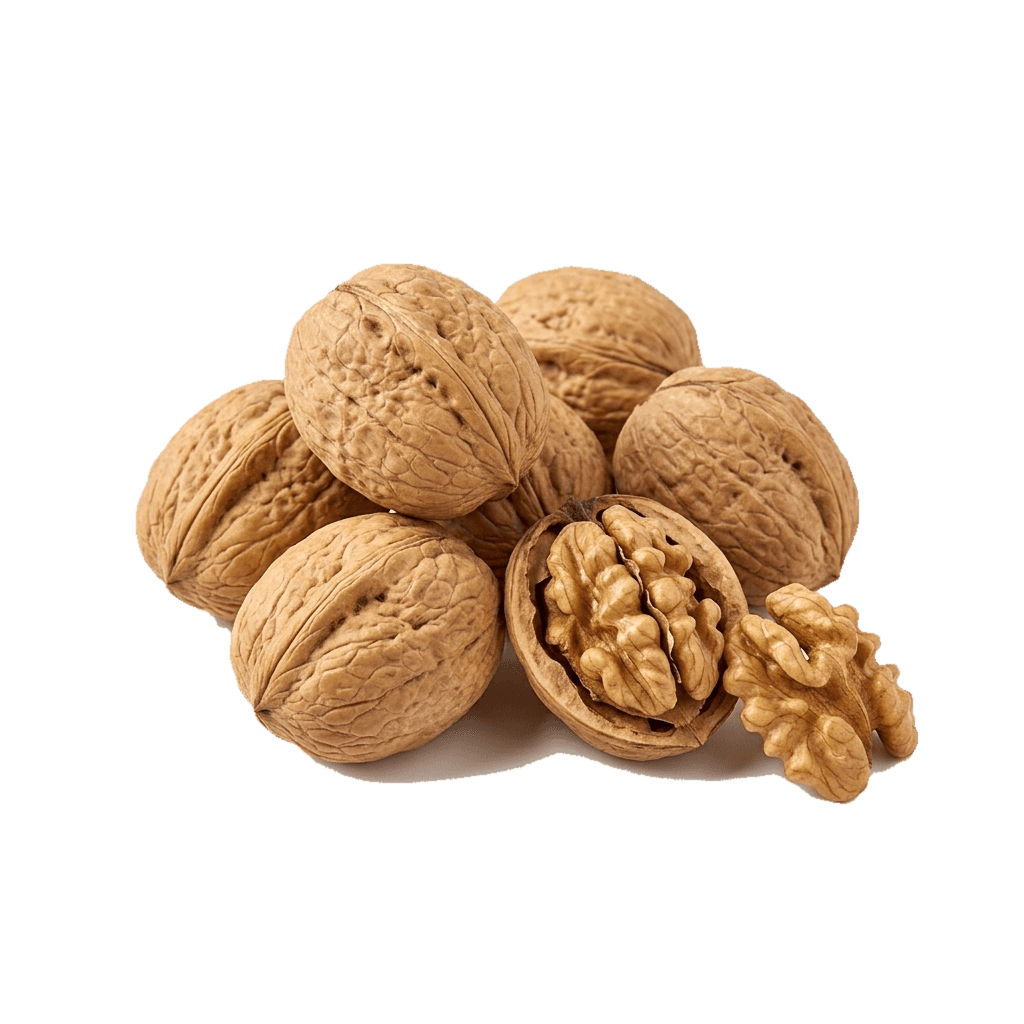
  • Walnut and almond grading by size and oil quality
  • Direct-to-consumer packs through brands like GB Dry Fruits

How does GB Dry Fruits support growers?

We prioritize traceable lots, fair purchasing, and clear labeling. Explore current packs on our products page and grower context on the blog.
Share this mountain guide:
Bilal Hussain

About the Author: Bilal Hussain

Verified Expert

Agricultural Agronomist & Gilgit Sourcing Director

Born in Gilgit City, Bilal manages smallholder grower cooperatives across Baltistan, Hunza, and Diamer, championing chemical-free solar curing and direct farmer trade.

Related Gilgit Dry Fruits Guides

The Ultimate Guide to Gilgit Dry Fruits: Why Mountain Harvests from Gilgit Baltistan Are the World's Best

The Ultimate Guide to Gilgit Dry Fruits: Why Mountain Harvests from Gilgit Baltistan Are the World's Best

Gilgit dry fruits are mountain-grown nuts and sun-dried fruits from 1,500–3,200m valleys in Gilgit Baltistan, irrigated by glacial meltwater and cured without chemical preservatives—delivering denser natural oils and stronger flavor than flatland crops.

Read guide →
Buying Dry Fruits in Gilgit: Local Bazaars, Price per KG & Traveler's Buying Guide

Buying Dry Fruits in Gilgit: Local Bazaars, Price per KG & Traveler's Buying Guide

Dry fruits in Gilgit are sold mainly at Jutial Bazaar, Naya Bazaar, and Airport Road; expect about PKR 900–1,800/kg for dried apricots, PKR 1,800–3,200/kg for walnut and almond kernels, and PKR 6,500–12,000/kg for roasted chilgoza, with peak harvest from late August to November.

Read guide →
Top 10 Gilgit Baltistan Dry Fruits You Must Try: Health Benefits & Mountain Sourcing

Top 10 Gilgit Baltistan Dry Fruits You Must Try: Health Benefits & Mountain Sourcing

The top Gilgit Baltistan dry fruits are Hunza sun-dried apricots, Skardu paper-shell walnuts, Diamer chilgoza, mountain almonds, mulberries, and related high-altitude nuts—chosen for oil density, sweetness, and traditional Hunza–Skardu growing regions.

Read guide →