
Special offer notification

15% discount on shopping over Rs 10,000

Farm-to-Table: Exploring Hunza Dry Fruit Markets

Walk Hunza bazaars where Gilgit Baltistan dry fruits are sorted by hand — then order the same quality from GB Dry Fruits.

dry fruits in gilgit⏱ 2 min read (313 words)Verified Origin: Gilgit-Baltistan

Farm-to-Table: Exploring Hunza Dry Fruit Markets

Ayesha Karim

Senior Nutritionist & Mountain Food Researcher

Published:
Updated:
Farm-to-Table: Exploring Hunza Dry Fruit Markets — Gilgit dry fruits guide

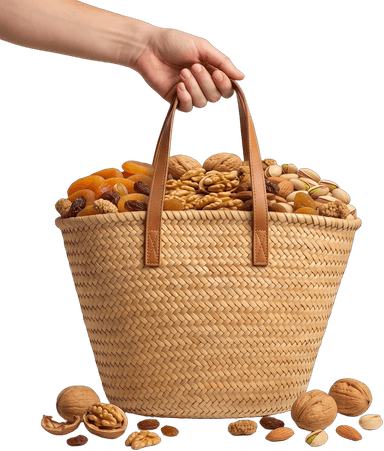
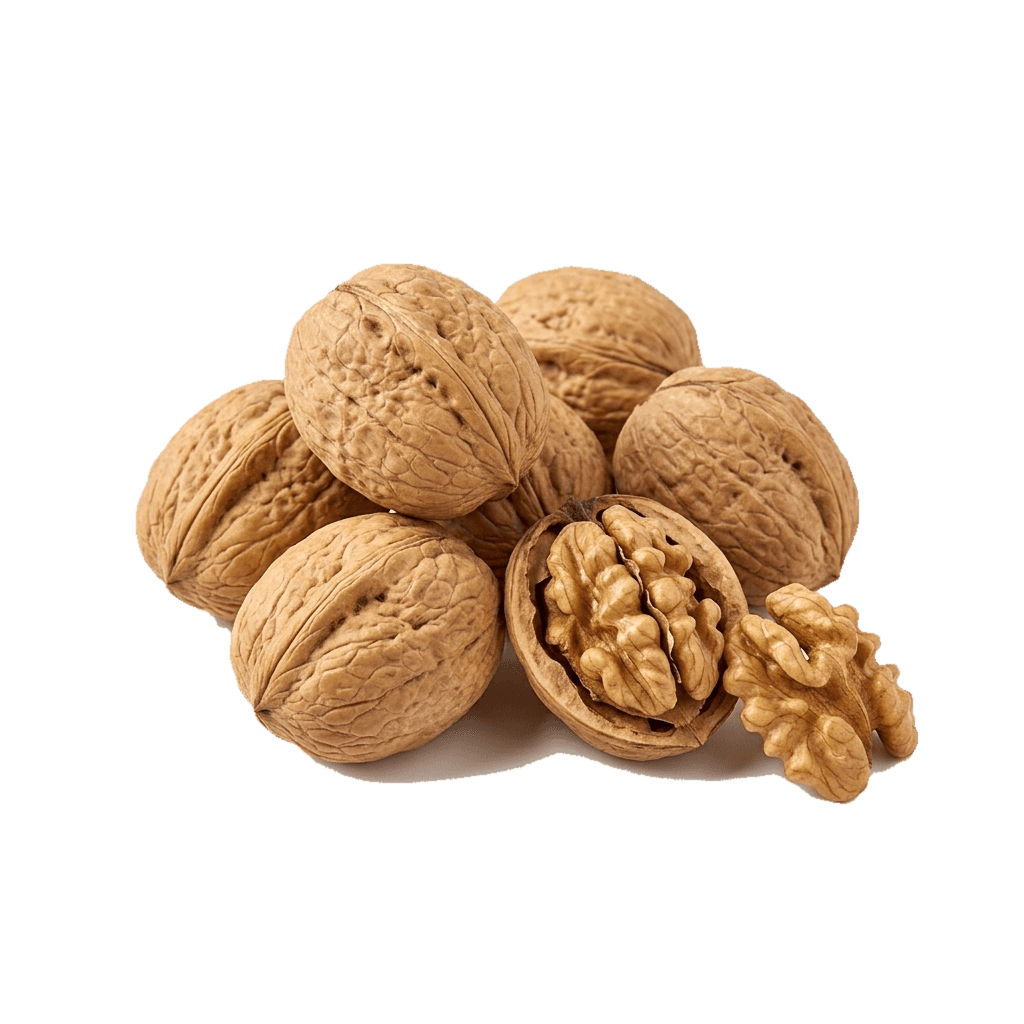
Walk the bazaars where mountain packs of dry fruits in Gilgit’s wider region are sorted by hand and sold by the kilo. Hunza apricot stalls and walnut sellers set the sensory standard GB Dry Fruits tries to preserve in sealed packs for customers across Pakistan.

Farm-to-table here is not a slogan — it is a morning market rhythm: growers arrive with sacks, buyers taste, and grades are decided by eye and smell before lunch.

What will you find in Hunza dry fruit markets?

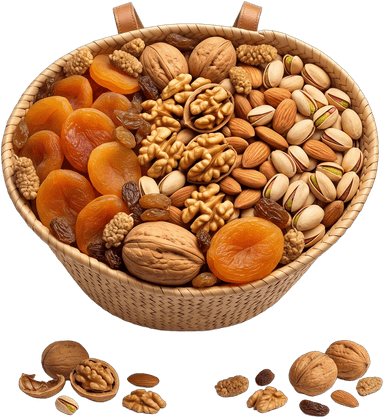
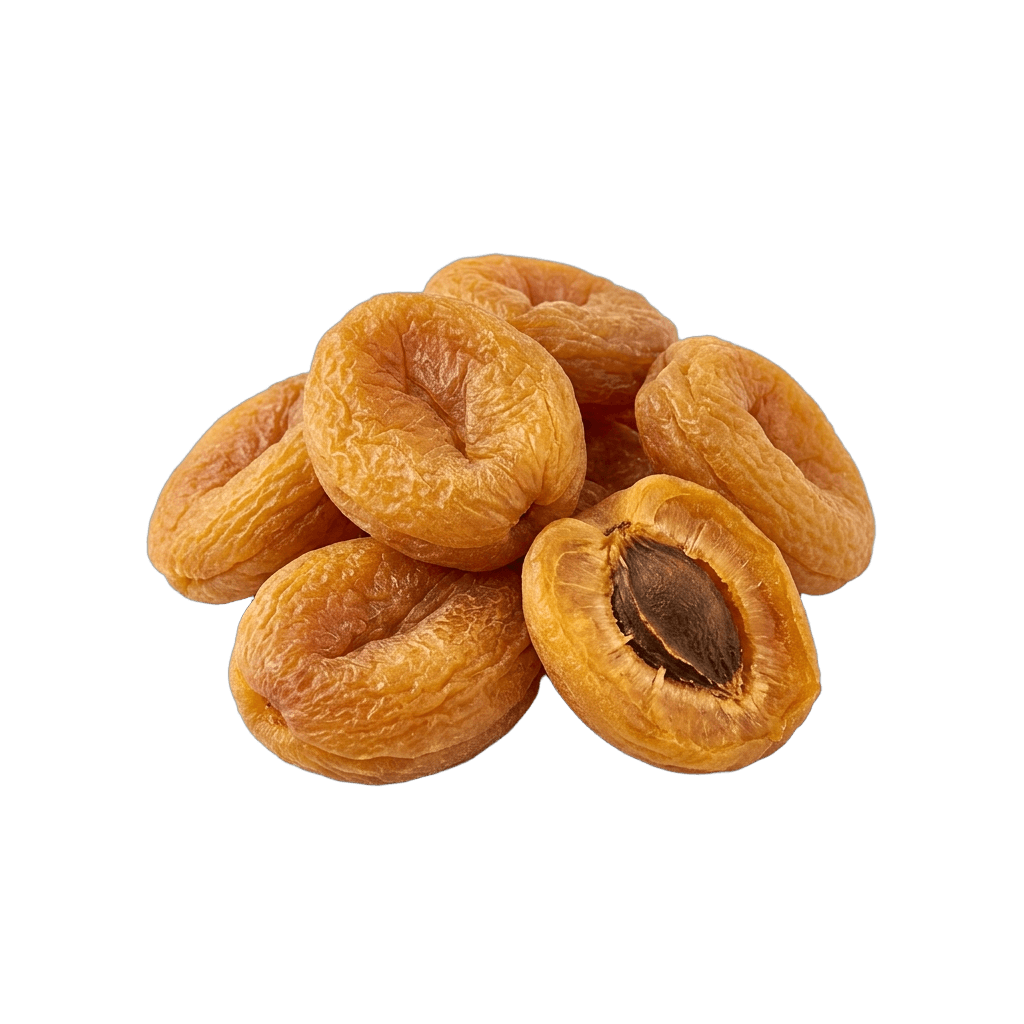
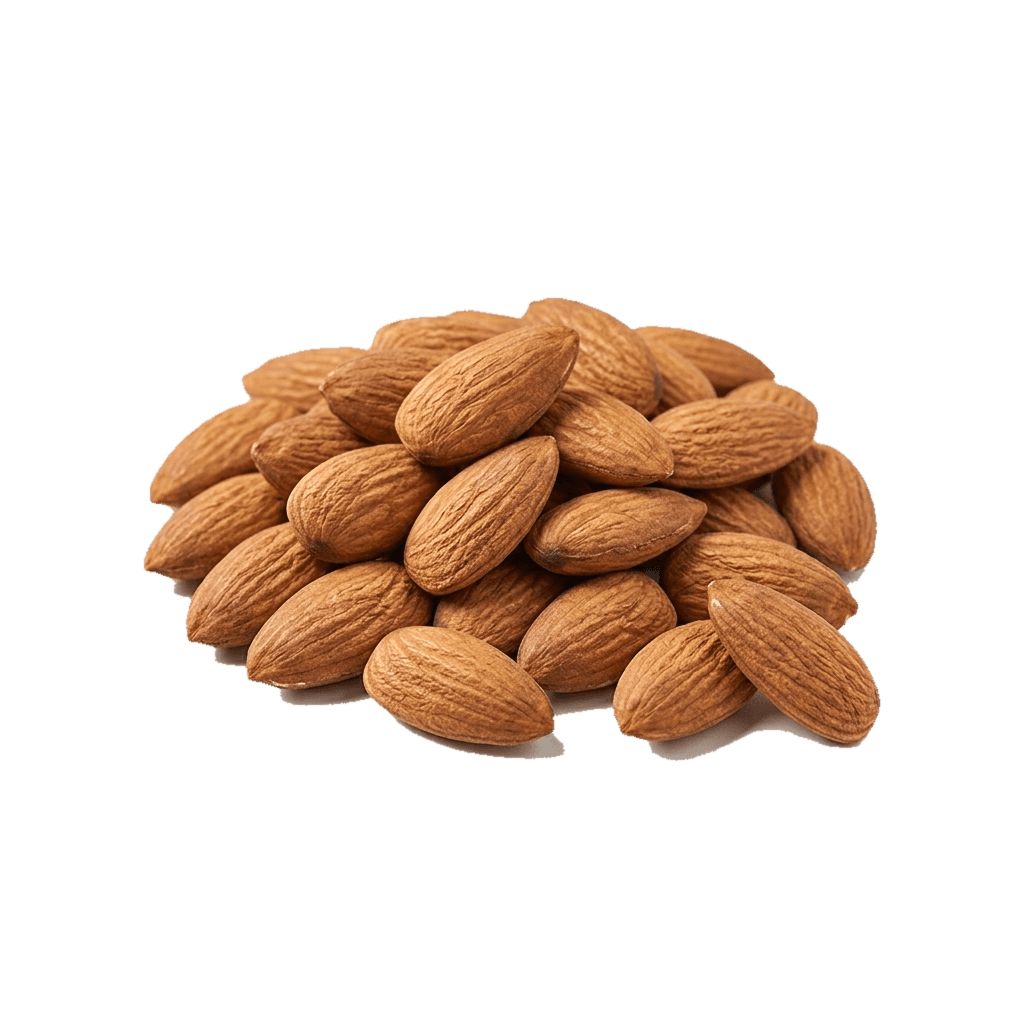
Sun-dried apricots, local almonds, walnuts, mulberries, and mixed trail packs. Bargaining is common; quality varies by season and by how carefully fruit was dried after harvest. Peak apricot color and fresh nut oils are the cues locals trust.

  • Golden Hunza-style apricots sold loose by the kilo
  • Small almond and walnut lots from nearby orchards
  • Gift mixes assembled on the spot for travelers
  • Seasonal chilgoza when forest gathers arrive

How GB Dry Fruits keeps that market standard

Not everyone can fly to Hunza for a tasting stroll. GB Dry Fruits grades and packs in Gilgit City so you get consistent moisture, clean sorting, and sealed bags that travel well — without sugar coatings that mute orchard flavor.

Shop our dried apricots collection, mixed dry fruit packs, or the full Gilgit Baltistan dry fruits catalog. Prefer talking to a person first? Use contact or visit our Gilgit store location.

Tips if you visit the bazaar yourself

Ask when the fruit was dried, smell the nuts (stale oils are obvious), and buy mid-morning when stock is freshest. Then compare that sensory memory with a GB Dry Fruits pack at home — that is the farm-to-table loop we aim to protect.

Learn more stories on our blog. Whether you searched dry fruits in gilgit or Hunza markets, start with one apricot pack and build your mountain pantry from there.
Share this mountain guide:
Ayesha Karim

About the Author: Ayesha Karim

Verified Expert

Senior Nutritionist & Mountain Food Researcher

Ayesha Karim specializes in high-altitude horticulture and nutritional biochemistries of Karakoram crops, with over 8 years researching dietary longevity in Hunza and Gilgit valleys.

Related Gilgit Dry Fruits Guides

The Ultimate Guide to Gilgit Dry Fruits: Why Mountain Harvests from Gilgit Baltistan Are the World's Best

The Ultimate Guide to Gilgit Dry Fruits: Why Mountain Harvests from Gilgit Baltistan Are the World's Best

Gilgit dry fruits are mountain-grown nuts and sun-dried fruits from 1,500–3,200m valleys in Gilgit Baltistan, irrigated by glacial meltwater and cured without chemical preservatives—delivering denser natural oils and stronger flavor than flatland crops.

Read guide →
Buying Dry Fruits in Gilgit: Local Bazaars, Price per KG & Traveler's Buying Guide

Buying Dry Fruits in Gilgit: Local Bazaars, Price per KG & Traveler's Buying Guide

Dry fruits in Gilgit are sold mainly at Jutial Bazaar, Naya Bazaar, and Airport Road; expect about PKR 900–1,800/kg for dried apricots, PKR 1,800–3,200/kg for walnut and almond kernels, and PKR 6,500–12,000/kg for roasted chilgoza, with peak harvest from late August to November.

Read guide →
Top 10 Gilgit Baltistan Dry Fruits You Must Try: Health Benefits & Mountain Sourcing

Top 10 Gilgit Baltistan Dry Fruits You Must Try: Health Benefits & Mountain Sourcing

The top Gilgit Baltistan dry fruits are Hunza sun-dried apricots, Skardu paper-shell walnuts, Diamer chilgoza, mountain almonds, mulberries, and related high-altitude nuts—chosen for oil density, sweetness, and traditional Hunza–Skardu growing regions.

Read guide →