Special offer notification

15% discount on shopping over Rs 10,000

The Complete Dry Fruits Guide: Nutritional Comparison, Daily Intake & Storage Tips

A practical dry fruits serving is about 20–30g of mixed nuts and dried fruit daily; compare calories and macros per 100g, store airtight in a cool dry place (refrigerate in Pakistan’s summer heat), and prefer unsulfured mountain harvests for cleaner oils.

dry fruits⏱ 2 min read (344 words)Verified Origin: Gilgit-Baltistan

The Complete Dry Fruits Guide: Nutritional Comparison, Daily Intake & Storage Tips

Farah Iqbal

Clinical Dietitian & Wellness Consultant

Published:
Updated:
The Complete Dry Fruits Guide: Nutritional Comparison, Daily Intake & Storage Tips — Gilgit dry fruits guide

Dry fruits work best as a daily 20–30g handful of mixed nuts and dried fruit. Below is a clear nutritional comparison per 100g, plus intake and storage tips for Pakistan’s climate so mountain harvests stay fresh and flavorful.

Nutritional Breakdown of Major Dry Fruits (Per 100g)

Dry Fruit Calories Protein (g) Healthy Fats (g) Fiber (g) Key Micronutrients
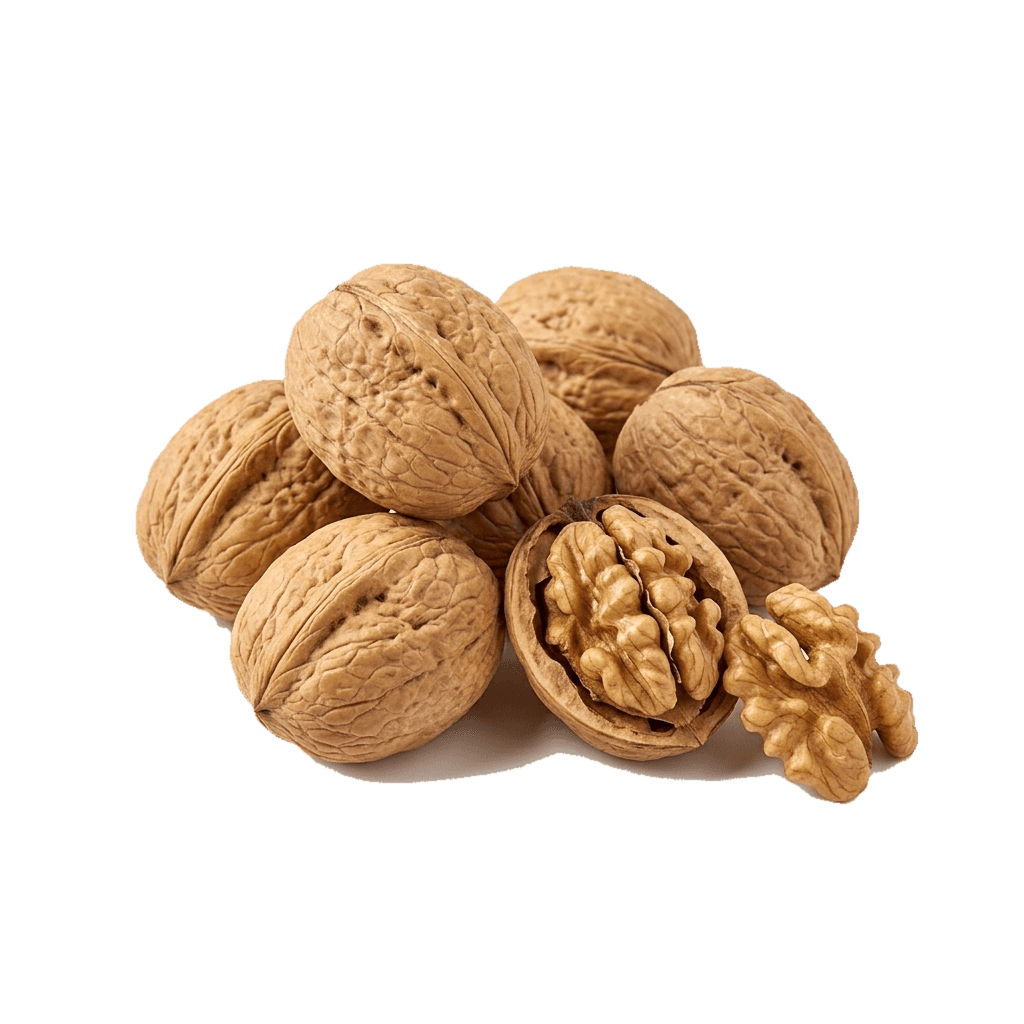
Walnuts (Akhrot) 654 kcal 15.2 g 65.2 g (High Omega-3) 6.7 g Copper, Folate, Manganese
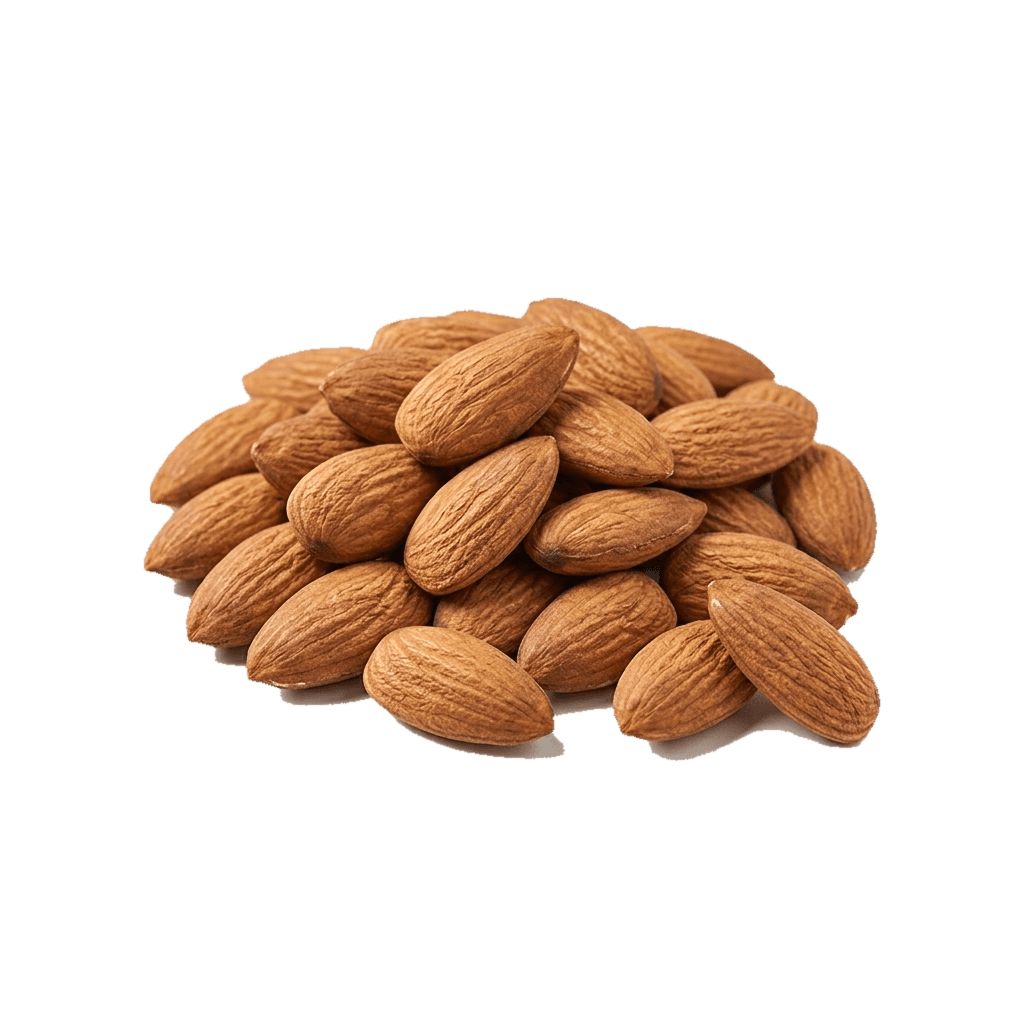
Almonds (Badam) 579 kcal 21.2 g 49.9 g 12.5 g Vitamin E, Magnesium, Riboflavin
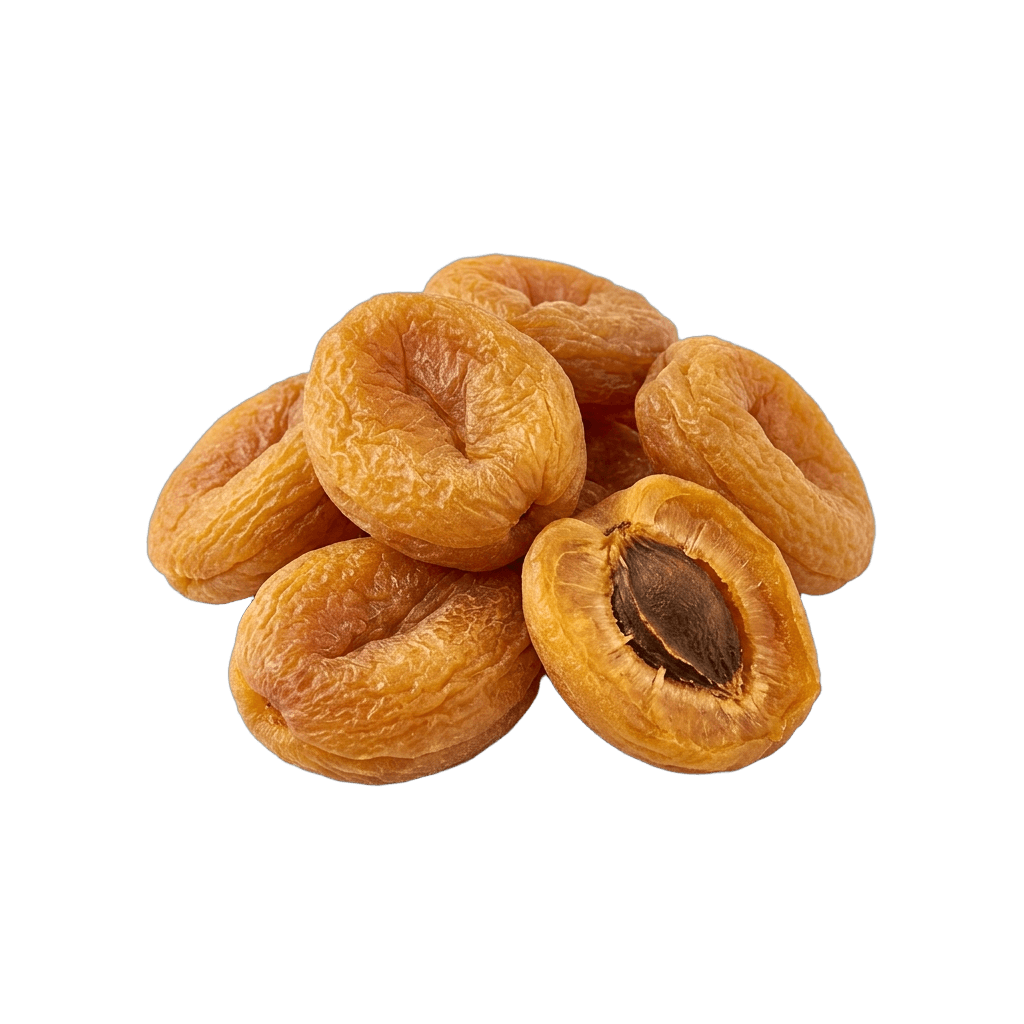
Dried Apricots (Khubani) 241 kcal 3.4 g 0.5 g 7.3 g Vitamin A, Potassium, Iron
Chilgoza (Pine Nuts) 673 kcal 13.7 g 68.4 g 3.7 g Zinc, Pinolenic Acid, Vitamin K
Dried Figs (Injeer) 249 kcal 3.3 g 0.9 g 9.8 g Calcium, Potassium, Magnesium

What Is the Ideal Daily Serving Size?

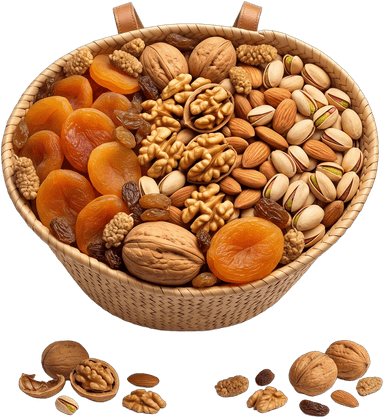
Nutritionists recommend consuming approximately 28 to 35 grams (one generous handful) of mixed dry fruits per day. A balanced daily portion might consist of:

  • 4–5 whole almonds
  • 2 whole walnuts (4 halves)
  • 2–3 dried apricots or figs
  • A small teaspoon of pine nuts or pumpkin seeds

This portion delivers approximately 180–220 clean calories, 5 grams of plant protein, healthy satiating fats, and essential minerals without overloading your daily caloric budget.

How to Store Dry Fruits in Warm Pakistani Climates

Because authentic Gilgit dry fruits are free from synthetic wax coats and chemical preservatives, their natural unsaturated plant oils can oxidize if exposed to heat, humidity, or sunlight in cities like Karachi, Lahore, or Hyderabad:

  1. Keep in Sealed Containers: Store nuts in airtight glass jars or heavy-gauge food-grade zipper pouches to lock out ambient moisture.
  2. Refrigerate During Summer Months: Placing walnut kernels, almond meats, and pine nuts in the refrigerator crisper drawer preserves fresh crispness and prevents oil rancidity for up to 12 months.
  3. Keep Away from Pungent Spices: Nuts absorb environmental odors easily; store them away from garam masala, onions, or garlic in your pantry.

Ready to upgrade your daily pantry with pristine, unadulterated mountain harvests? Explore the full collection at GB Dry Fruits.
Share this mountain guide:
Farah Iqbal

About the Author: Farah Iqbal

Verified Expert

Clinical Dietitian & Wellness Consultant

Farah advises fitness athletes and families on whole-food macronutrient optimization, glycemic index regulation, and integrating raw nuts and dried fruits into everyday Pakistani diets.

Related Gilgit Dry Fruits Guides

The Ultimate Guide to Gilgit Dry Fruits: Why Mountain Harvests from Gilgit Baltistan Are the World's Best

The Ultimate Guide to Gilgit Dry Fruits: Why Mountain Harvests from Gilgit Baltistan Are the World's Best

Gilgit dry fruits are mountain-grown nuts and sun-dried fruits from 1,500–3,200m valleys in Gilgit Baltistan, irrigated by glacial meltwater and cured without chemical preservatives—delivering denser natural oils and stronger flavor than flatland crops.

Read guide →
Buying Dry Fruits in Gilgit: Local Bazaars, Price per KG & Traveler's Buying Guide

Buying Dry Fruits in Gilgit: Local Bazaars, Price per KG & Traveler's Buying Guide

Dry fruits in Gilgit are sold mainly at Jutial Bazaar, Naya Bazaar, and Airport Road; expect about PKR 900–1,800/kg for dried apricots, PKR 1,800–3,200/kg for walnut and almond kernels, and PKR 6,500–12,000/kg for roasted chilgoza, with peak harvest from late August to November.

Read guide →
Top 10 Gilgit Baltistan Dry Fruits You Must Try: Health Benefits & Mountain Sourcing

Top 10 Gilgit Baltistan Dry Fruits You Must Try: Health Benefits & Mountain Sourcing

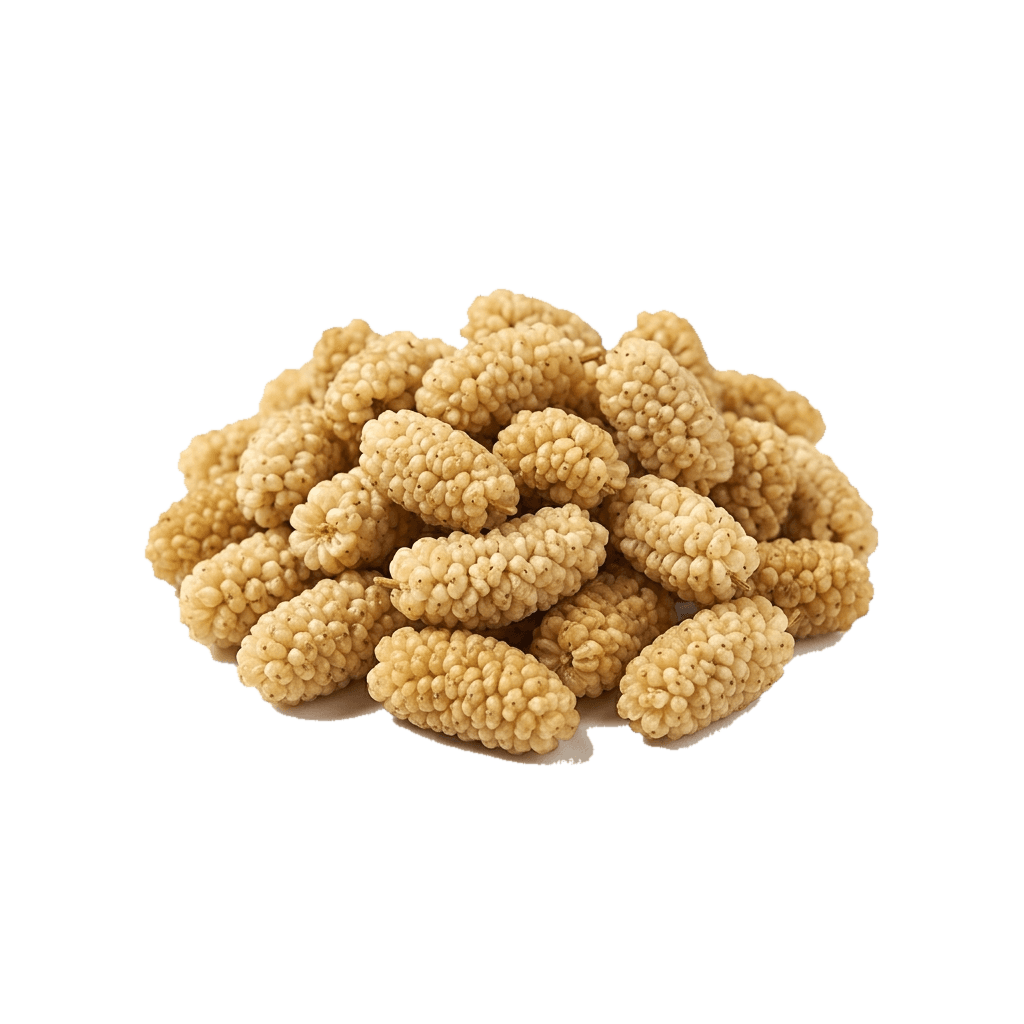
The top Gilgit Baltistan dry fruits are Hunza sun-dried apricots, Skardu paper-shell walnuts, Diamer chilgoza, mountain almonds, mulberries, and related high-altitude nuts—chosen for oil density, sweetness, and traditional Hunza–Skardu growing regions.

Read guide →